The Great Revival
The hill village of Somdal, Manipur, witnessed a powerful 1923 Christian revival that transformed its people, traditions, and spiritual identity.
A holy marvel that turned a humble village into a beacon of faith
Somdal is a small hill village tucked away in the Ukhrul district of Manipur, in India’s far northeast. Surrounded by rolling green hills and forested slopes, it rests within the homeland of the Tangkhul Naga community, a region known for its deep cultural roots and closely woven village life.
The journey into Somdal feels like a slow departure from noise and rush into something quieter and more grounded. Winding hill roads take you through landscapes that often feel untouched, where life still moves closely with the rhythm of nature, agriculture, and community bonds.
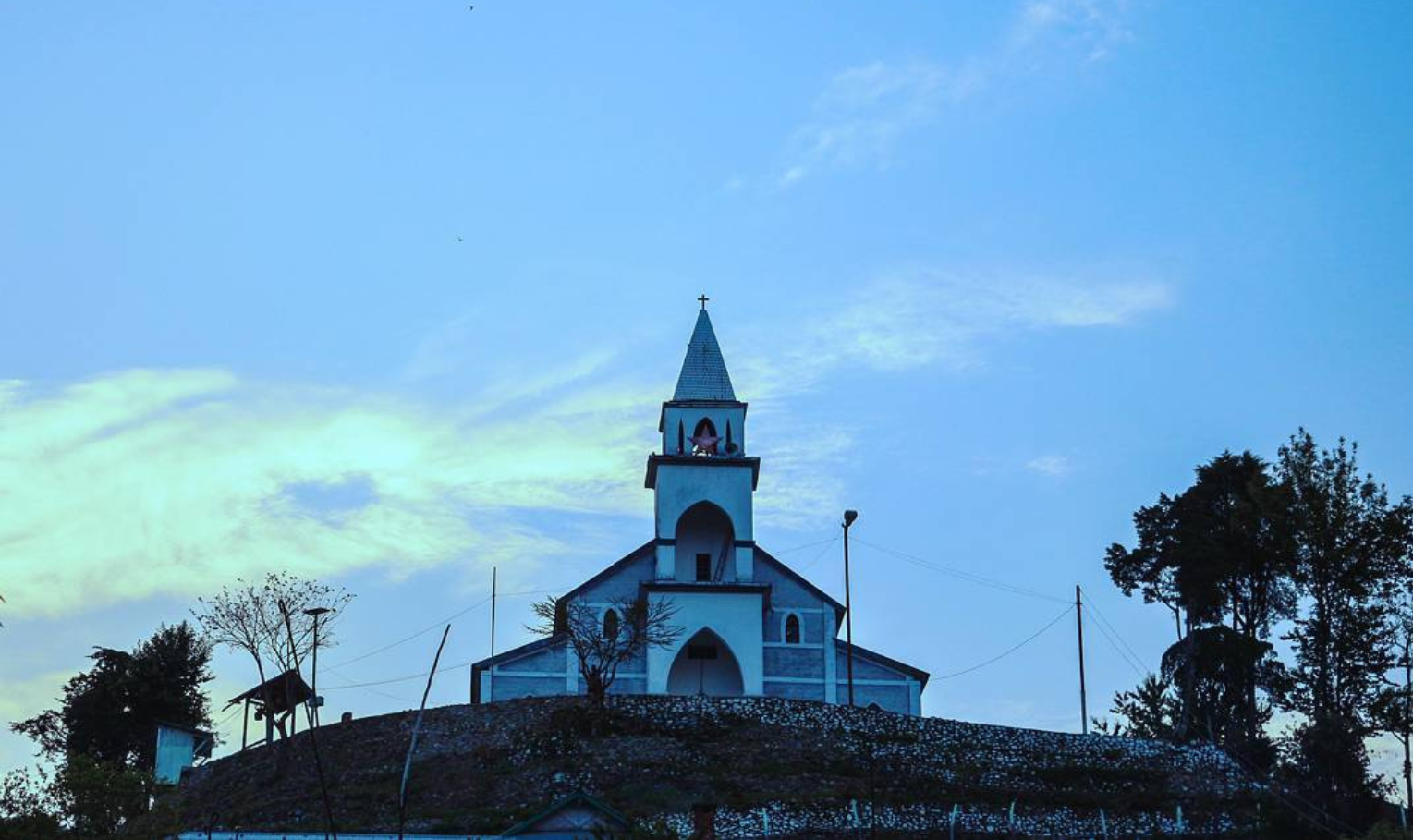
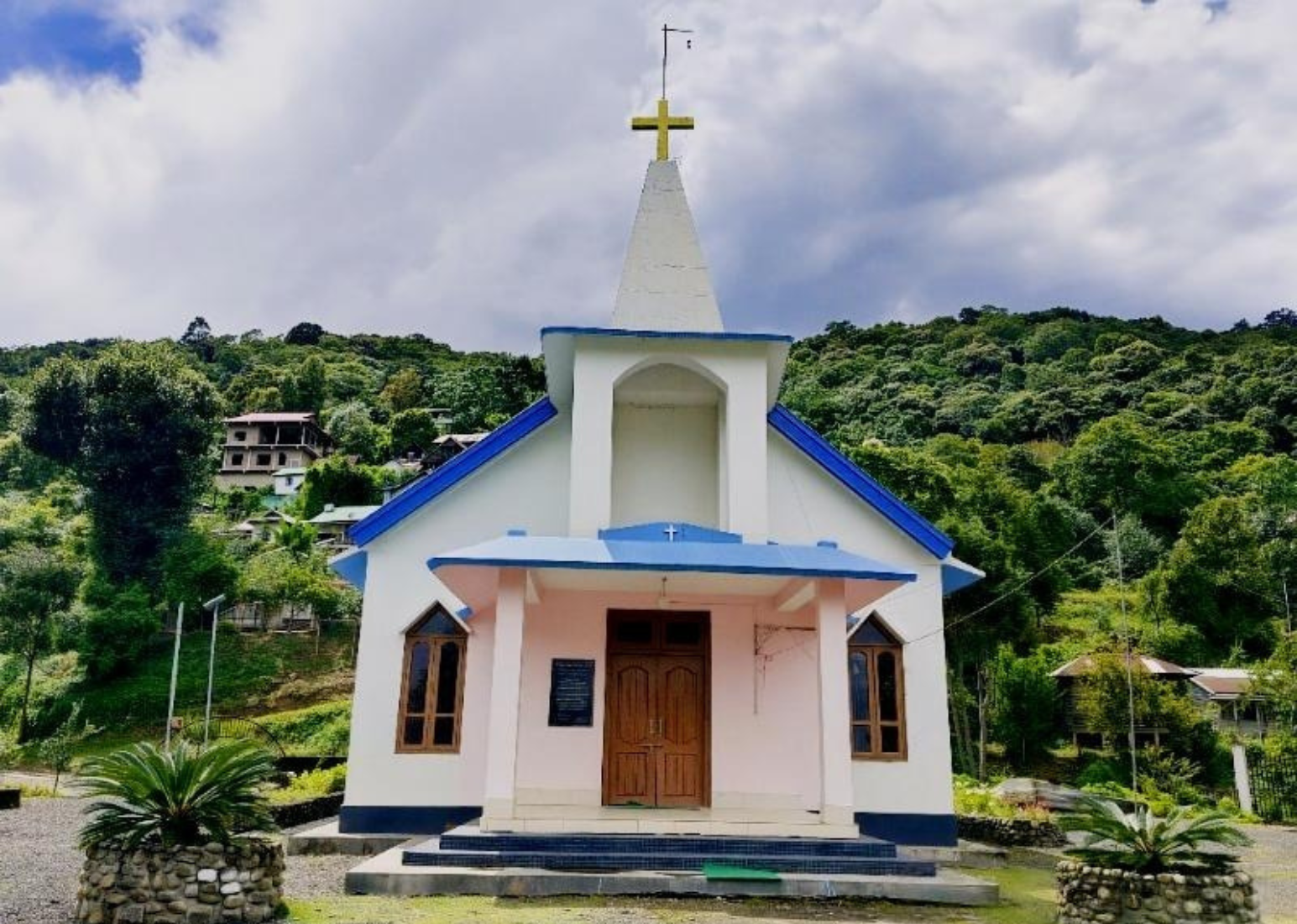
At the centre of Somdal stands a single church, the Somdal Baptist Church, which has long been the heart of its spiritual life. In the formative years of Christianity in the region, this church and its members played a significant role in spreading the faith across surrounding villages. This journey traces back to the early 1900s, when Reichumhao Rungsung, also known in various records as RS Ruichumhao or Ruichumhao Rungsung, embraced Christianity.
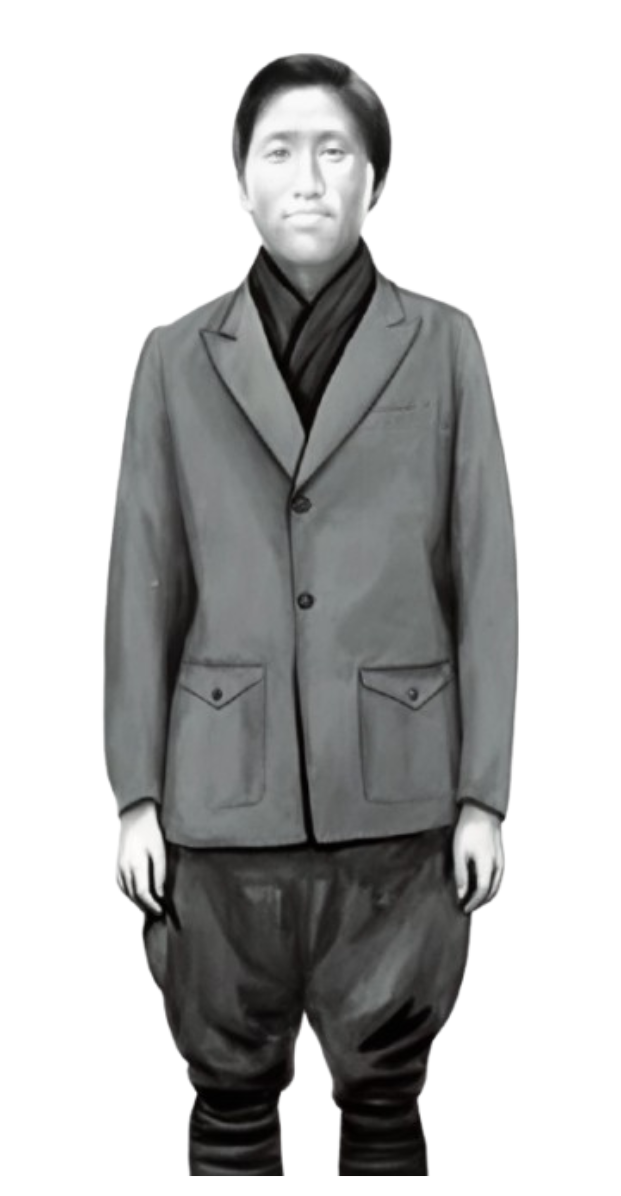
His conversion is still remembered as a turning point, the moment when something larger began to unfold. From that beginning, Christianity gradually spread beyond the village boundaries into surrounding areas and neighboring communities. Today, every person in Somdal professes faith in Christ.
Among the people of Somdal, the 7th of May is observed each year as Revival Day. It is not only a date in history, but a living memory carried quietly in the hearts of the people.
Guided by the Somdal Baptist Church, this day is remembered by everyone with roots in Somdal, whether they live in the village or are scattered across cities and countries. Distance has never truly weakened it. Even those away for study or work often feel its approach in a quiet, inward way, as something meaningful is being remembered back home. In Somdal, normal life slows down as people gather in prayer, thanksgiving, and worship. Wherever Somdal people are found, they try to gather in small groups to observe it together. Even when that is not possible, it is still kept in the heart through reflection and prayer.
And behind it lies a heritage of faith that continues to live, shaping identity, faith, and belonging. It roots back to the year 1923, remembered in Somdal not as an ordinary season of planting and harvest, but as the Year of Fire, the Year of Awakening, when heaven seemed to come close and the Spirit of God moved across the hills like a wind that could not be seen but deeply felt.
Before the first notes of a Christian hymn ever drifted across the hills, Somdal lived firmly within the world of its ancestors. Life moved with the slow rhythm of seasons, guided by customs and the authority of elders whose words carried generations of wisdom. The land itself was seen as alive with spirits of forest, stone, river, and sky, each demanding reverence and careful appeasement. Sacred trees stood like guardians over the earth, and ritual stones bore the traces of offerings made to secure health, harvest, and protection.
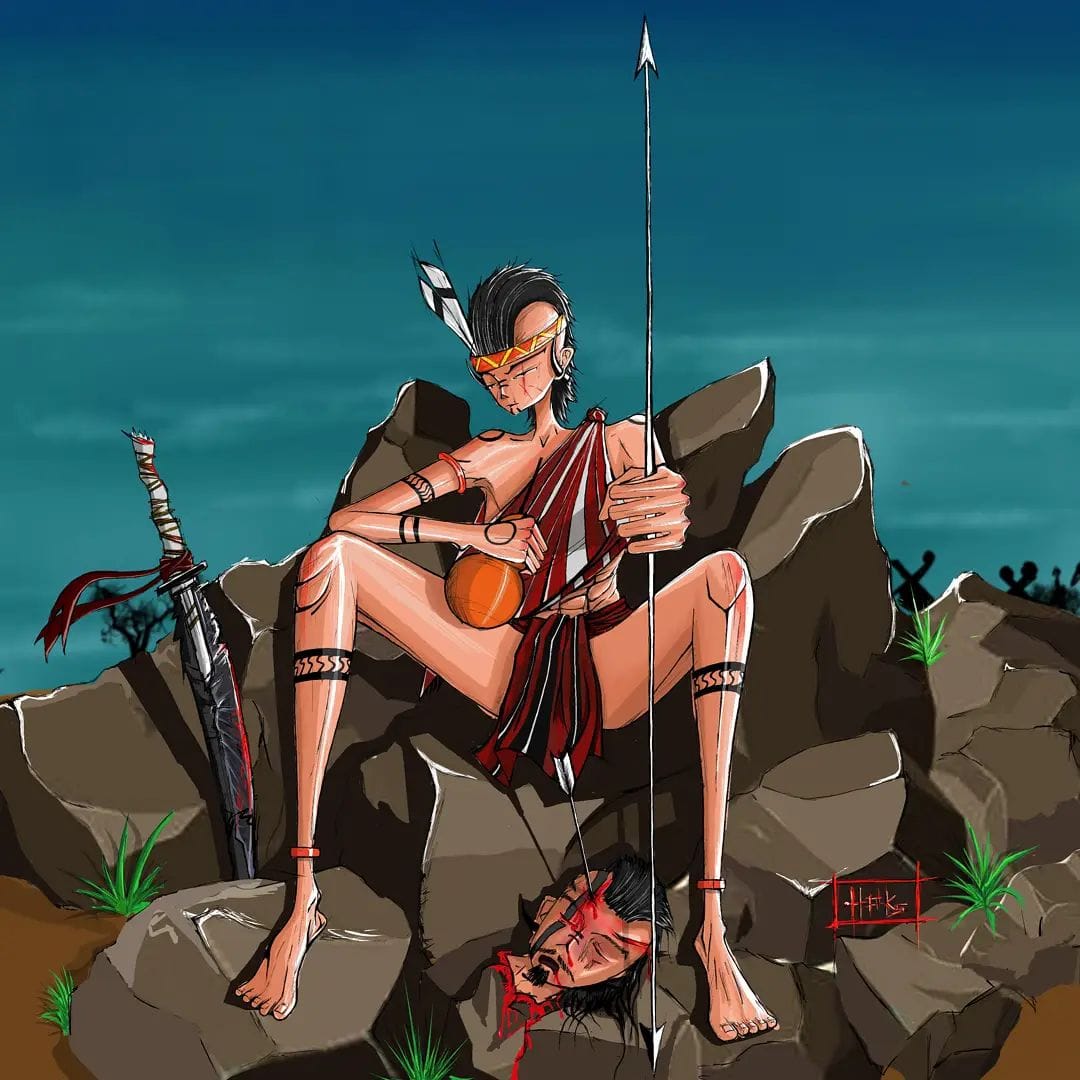
Community life was deeply woven through shared feasts, marriage alliances, and long standing traditions. Khor, a traditional local alcoholic beverages flowed through every celebration, binding families and clans in moments of joy and obligation. Head trophies marked honor, while meat shared at communal gatherings reinforced bonds that held the village together. Tradition was not simply practiced, but lived as identity itself.
Into this world the Gospel arrived through British missionary Reverend William Pettigrew, bringing with it a message that unsettled the old order.

Among his early students was Reichumhao Rungsung of Somdal, who embraced the Christian faith and was baptized on September 25, 1909. He became the first convert among the Western Tangkhul Nagas, a decision that marked a quiet but profound turning point. His choice drew suspicion and fear, as many saw it as a break from ancestral protection and belief. Yet Reichumhao remained steadfast, praying openly, singing hymns, and studying the Bible, setting in motion changes that would echo far beyond his own lifetime. Still, many remained deeply rooted in the old ways, holding firmly to ancestral beliefs and traditions. Spiritual beliefs continued to shape daily life, and many resisted the new faith with caution and distrust. Even as Christianity began to take hold, Somdal stood in a state of spiritual strain, caught between fear and faith, between tradition and new revelation.
However, by 1921, a small group of believers had formed, laying the foundation for a church. In 1922, Somdal witnessed its first Christmas celebration and its first Christian wedding, both marking a shift from ancestral rituals to Christian worship and fellowship. Though Christians remained a minority and faced ridicule from neighboring villages, their faith continued to grow. That same year, they began building a church at Phāchāmtā, the site that now stands as the Reichumhao Memorial Prayer House. Reichumhao worked tirelessly alongside carpenters and masons, driven by a vision of a sanctuary where faith could take root and flourish.
In those days, January and February in Somdal followed a familiar pattern. After the New Year, the village men would leave for Imphal in search of wage labor and take up temporary work to earn additional income, while women and elders stayed behind to manage the village. During the men’s absence in 1923, Reichumhao led the women of Somdal into a life centered on fasting, prayer, and worship. He taught them the Scriptures and introduced the core principles of the Christian faith, gradually transforming the village’s spiritual life. By February, some of the villagers had willingly given up khor, the traditional alcoholic drink long associated with feasts and communal gatherings. Though seemingly simple, this decision held deep symbolic meaning and soon became known beyond the village.
In Imphal, news of this transformation reached the men and stirred immediate anger. The changes struck at practices they deeply valued, and the women’s decision to abandon khor and embrace a new religious way of life was met with strong resistance in their hearts. When the time came for Luitā Phanit, the annual seed sowing festival, they set out for Somdal carrying this anger with them, intent on confronting what had taken place and opposing the changes within their families and community. The journey stretched for days on foot. Yet as they moved further along the path toward home, something began to change within them. Step by step, their anger lost its force. What had been a firm determination to resist slowly gave way to reflection, as though a divine presence was quietly working within their hearts. By the time they drew near Somdal, the anger that had once defined their purpose had completely dissolved, replaced by a calm and softened spirit.
When they finally reached home, there was no confrontation, no act of violence, and no demand for reversal. Instead, they returned with a transformed outlook. The impulse to oppose their wives and the women of the village had faded entirely. In its place came understanding, acceptance, and a quiet willingness to support the changes that had taken root among them.
Meanwhile, Reichumhao received news from his father-in-law, Thison Kom (Choishon), of a twelve-year-old boy from the Lushai Hills of Mizoram who, it was said, had been anointed by the Holy Spirit and sent to Makokching in Manipur to proclaim revival. The accounts spoke of an atmosphere charged with prayer and prophecy, where the sick were healed and worship rose in unrestrained, overflowing joy. Deeply stirred and longing to witness it himself, Reichumhao was unable to leave Somdal, as the church was still under construction. Instead, he sent a delegation to observe the movement firsthand. The group consisted of teachers, students, and young men from Somdal:
L. Ninghei - Hunphun
Yarseng Muirang - Hunphun
Kr. Shangai
Kr. Tushon
M. Shailei
Rv. Hanshila
Rv. Khangaiva
Rvs. Ranamva
Sr. Tuimanang
M. Shangkathān
M. Pāshi
Ps. Mingmayāng
M. Maipamrei
Rvs. Leishisān
Rv. Pāngaiva
At Makokching, they were immersed in the intensity of the revival. Prayer, trembling, tears, and song filled the gathering, as if every moment was saturated with an overwhelming sense of divine presence. The experience held them longer than they intended, each heart reluctant to leave what they had encountered.
Then a prophet spoke to them:
“People of Somdal, do not remain here. Your work awaits you at home. Carry this fire back to your church.”
With that word, they chose obedience over desire and began the journey back, returning with hearts stirred and renewed. They reached Somdal on the evening of May 7, 1923. Instead of dispersing to their homes, they gathered near the unfinished church and began singing the hymns they had learned. Their voices rose into the evening air, carrying through fences and thatched roofs, breaking the stillness of the village. The singing began gently, familiar and steady, but soon something deeper took hold among them, an overwhelming presence that could not be explained or contained. Drawn by the sound, women stepped out from their homes. Curiosity gave way to joy, and joy to tears as worship filled the village atmosphere.
No villager could remain at home. Drawn by the singing, people from every corner of the village, along with fasting devotees returning from the nearby forests, made their way to the church, swept into what they understood as a shared outpouring of the Holy Spirit.
Reichumhao, hearing the commotion, hurried toward the gathering and stopped, breathless at what he saw. Men and women stood together in unrestrained worship, some trembling, others weeping openly, their voices rising in fervent praise. The atmosphere felt alive, charged with prayer, prophecy, and song. Without warning, confession began to flow. People trembled as they spoke, unburdening long held sorrows and hidden struggles. Elders who had carried authority and composure all their lives found themselves kneeling, overcome by a presence they could neither resist nor explain.
In the urgency of the moment, the unfinished structure itself became the gathering place of worship. The church, still incomplete, was hastily prepared that day, its earthen floor freshly swept and still damp, as though even the ground had been made ready for what was unfolding. Plans for a formal inauguration were set aside without hesitation. The moment could no longer be contained or scheduled. It demanded immediate response, and the community entered worship with awe and surrender. Reichumhao, as pastor, offered prayer and opened the doors.
That day, Somdal experienced its own Pentecost, a powerful outpouring of faith and devotion that lingered long after the final songs faded. Every person, young and old, confessed their sins, and many were set apart for service to the Lord. Reichumhao stood at the edge of the gathering, breathless and trembling, witnessing a transformation he had once only imagined. It was more than revival, it was rebirth. Every tear, every lifted voice, every surrender of the past spoke of a people stepping into a future shaped not by habit or tradition, but by faith, courage, and hope.
Children lifted their voices in unrestrained joy, their cries blending with the tears of their parents. The entire gathering shifted into a moment of profound intensity, marked by reverence and surrender. Some spoke of visions, others of light and voices they had never known before. The experience was so overwhelming that it seemed even the small church and the surrounding village could no longer contain what was unfolding within it.
Among the songs that echoed most repeatedly that day was a hymn remembered in these words:
“Calvary wui thingtungli yanglu,
Iwui nawui vang kayakha,
Kachot Ana jumi khala?
Yanglu, na ringra.”
Look to the Savior on Calvary’s tree,
See how He suffered for you and me.
Hark, while He lovingly calls to thee,
Look, and thou shalt live!
Believers and seekers from neighboring villages also arrived, and many encountered the same spiritual awakening. Among those who labored alongside the Somdal believers were Rs. Shaizar and Yangshi from Talui, and Khaso from Sirarakhong, contributing to a shared and powerful movement of renewal.
In the days that followed, the community expressed repentance in tangible ways. They turned away from former practices that no longer aligned with their faith. Pots once used for brewing traditional alcohol were brought forward, along with objects tied to the worship of old deities. Even bows, arrows, and spears associated with headhunting were laid down, stripped of their former meaning. With solemn resolve, everything was gathered near what is now Vaomalan Hall and set on fire. History records that the flames burned continuously for over a week, consuming the remnants of their past in a visible act of transformation. It was as though the village exhaled its former life, releasing habits, fears, and attachments that no longer defined them. In that fire, an old world passed away, making room for a life rooted in faith and renewed purpose.
From then on, church became the heartbeat of Somdal. Attendance was no longer duty but desire. Even rain and storms no longer deterred the people; fields could wait, but worship could not. Selfishness slowly faded, theft disappeared, and sharing became natural. Widows were cared for, homes repaired without request, and the life of the village moved in a shared rhythm of generosity, faith, and unity.
The 7th of May 1923, was far more than a gathering for prayer. It is remembered as though heaven itself had opened over the village. From that moment onward, Somdal entered a different season, and life there would never feel quite the same again. What followed moved through the hills like a living fire across dry land. The revival did not remain confined within Somdal but flowed outward into surrounding villages and regions, reshaping lives, breaking long held patterns, and awakening a kind of faith that many had never witnessed before.
That same year, faith in Somdal was tested in ways that cut into the very rhythm of life. On the evening of May 7, as the revival deepened, the believers received a striking instruction to lay aside all ordinary work, including farming and household responsibilities, and devote themselves fully to prayer, fasting, and worship. In a village whose survival depended entirely on agriculture, the timing was almost unthinkable. May and June marked the most critical season for transplanting rice seedlings, a task that determined the food security of the entire year. To pause at such a moment meant stepping into real uncertainty.
Yet Somdal obeyed. For fifty four days, from May 7 to June 30, the village suspended its normal cycle of work and lived in continuous worship, prayer, and fasting. From surrounding villages, the response was disbelief and ridicule. Some mocked their decision, predicting hunger and failure. Others withdrew cooperation, refusing support in the months that followed. Still, the community remained steadfast, holding to what they believed they had received, even at great practical cost.
On July 1, they were instructed to return to their fields. By then, nearby villages such as Talui, Ngainga, and Phalee had already completed much of their agricultural work, including the crucial early weeding after transplantation. Observing the delay, they openly dismissed Somdal’s efforts as too late to succeed. Yet Reichumhao Rungsung responded with quiet assurance, saying the Lord had promised both abundance and a harvest ahead of others. The people trusted the word and returned to the fields. By July 15, all transplantation was completed, and what stood out was the strength and steadiness with which the community worked, without the usual exhaustion that accompanied such labor.
According to the Somdal Baptist Church record, the very next day the fields appeared unusually vibrant, the rice standing green and healthy as though carefully sustained beyond natural expectation. Soon after, the community entered Risit Phanit, the festival marking the completion of rice transplantation, a season of thanksgiving and worship for the provision of the harvest. During this time, Reichumhao instructed each household that after the slaughter of pigs and cattle for the feast, a pinewood torch was to be lit outside the home as a sign of turning from darkness and living in the light of Christ. This practice became a lasting tradition.
As harvest approached, further warnings came of storms and hail. The people were instructed to begin harvesting early but to leave the cut grain in the fields. It was a difficult instruction, requiring trust at a time when every measure of grain mattered. When the storm arrived, it swept across the hills with destructive force, damaging the crops of surrounding villages. Fields that had promised abundance were reduced to loss. In contrast, Somdal’s grain, left as instructed, remained largely untouched. When the storm passed, the villagers returned to find an unexpected abundance, their stores filled and their gratitude deepened.
This period came to be remembered as a defining test of obedience. Some villagers, relying on their own judgment, planted in June, only to find at harvest that the stalks were empty and the fields barren. Those who waited until July, as instructed, experienced a very different outcome, fields heavy with grain and harvests far beyond expectation. In this contrast, the community discerned a clear lesson: that faith and obedience, even when costly and uncertain, can yield a reward beyond human calculation.
In the years that followed, the impact of these events extended beyond Somdal. Neighboring villages who had once resisted Christianity gradually began to embrace the faith, influenced both by what they had heard and what they had witnessed. Over time, strained relationships eased, and even those who had once withheld support later acknowledged the transformation they had seen.
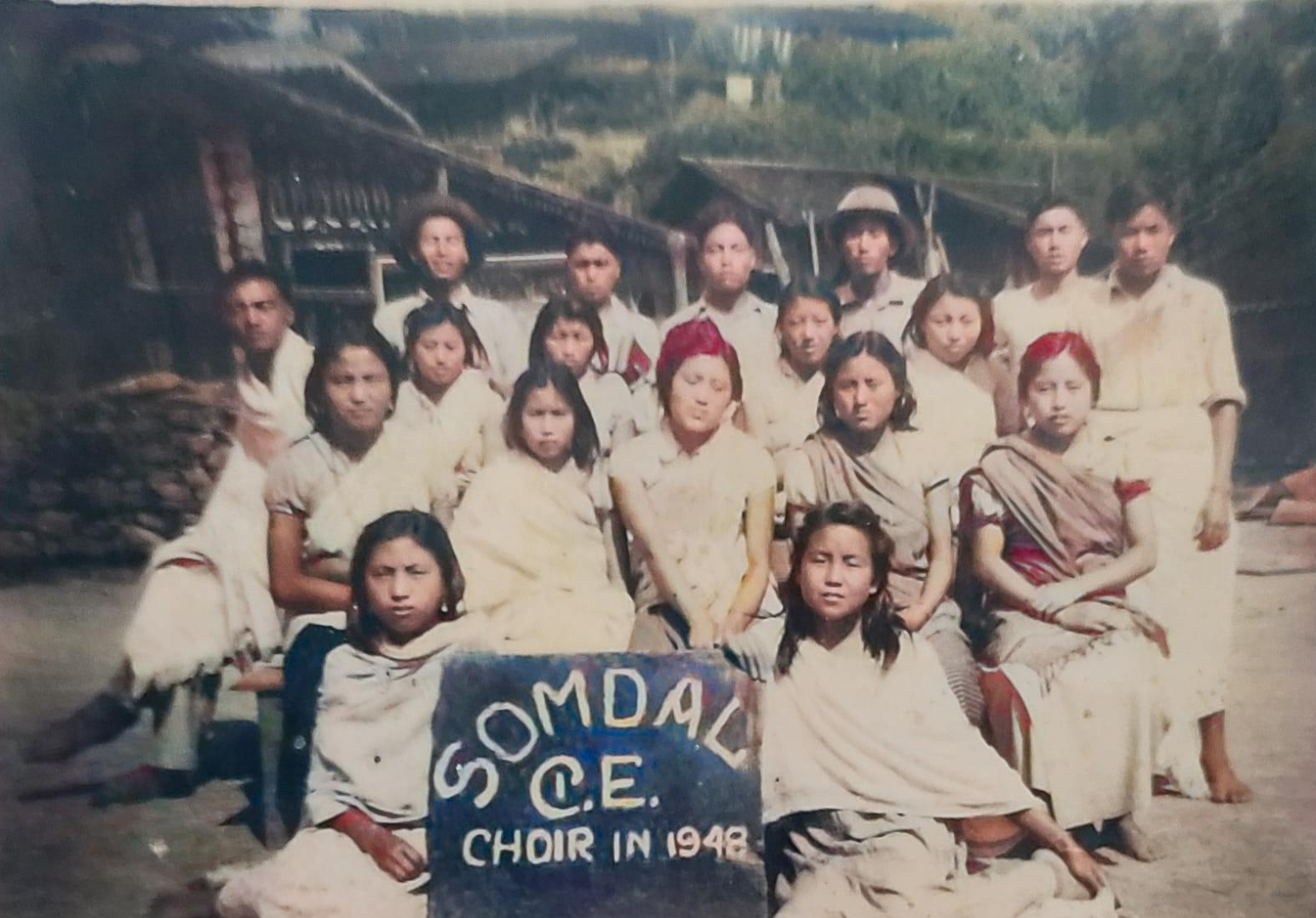
Later that year, a relentless wave of disease swept through Somdal, casting the village into fear and uncertainty. Homes fell quiet, doors were shut, and families stayed close together as sickness spread. Even the strongest felt the weight of helplessness, while anxious whispers moved from house to house about who might be next. Yet in the midst of this fear, Reichumhao moved steadily through the village. Day after day he walked its narrow paths, a quiet presence of resolve amid despair. His steps became familiar in every lane, and even those who remained inside their homes could sense his nearness. Some later said that simply hearing him pass by brought an unexplainable comfort, as though hope itself had drawn near. Gradually, something shifted. Courage began to return, and fear no longer held the same grip. What had been isolation gave way to unity, and the village discovered a resilience it did not know it possessed.
Somdal, once dismissed by neighboring villages as, Somdal chāmrār rui ram, a place of constant struggle and poverty, began to change in ways that could not be ignored. Homes were better tended, the fields grew lush and productive, and the village became known for producing pastors, missionaries, teachers, and leaders who carried its influence far beyond the hills. Over time, neighboring churches came to refer to it as the Mother Church of the Holy Spirit, and some even spoke of it in reverent tones as Jerusalem.
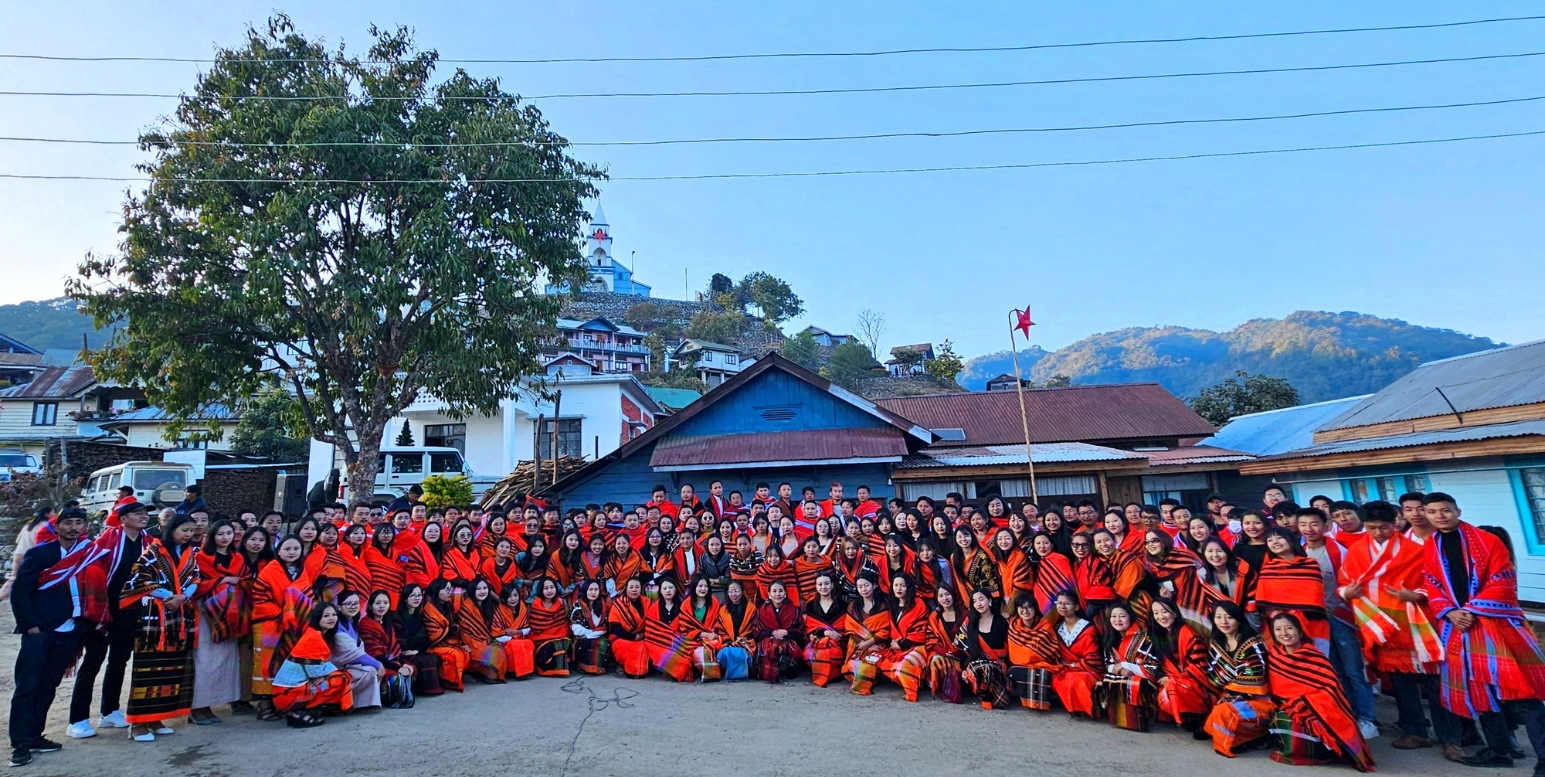
Decades later, the memory of that revival still burned within the village. From May 5 to 8, 2023, Somdal marked the centenary of the Great Revival under the theme "Do It Again, Lord," commemorating a hundred years since the spiritual awakening that had reshaped its history. Elders recounted the events to younger generations with tearful eyes, while hymns once sung in 1923 filled the air again, voices trembling as past and present met in song. Children listened in awe as stories of trembling worship, tears, and transformation were retold, giving new meaning to what they had inherited. The centenary was more than remembrance. It became a renewal of faith, a living testimony of a journey that had begun a century earlier. Somdal stood not only as a village shaped by history, but as a continuing witness to a legacy of faith, courage, and hope that still echoes through its people.
The Divine Wonders of 1923
Among the many striking accounts remembered from those days, one of the most cherished is the story of a song believed to have been sung by a divine dove, a moment that people recall with deep reverence and wonder.
In one account of the event, it is said to have taken place in a paddy field known as Khamsha, now called Khaikat. A small group of women had gathered there, not for agricultural work, but for fasting and prayer. They had chosen to abstain from food, not out of physical need, but from a deep inner longing, a hunger not for rice but for God Himself, when the divine dove appeared and sang the song.
Another version, recorded in the Revival Centenary book of Somdal, connects the event to Ps. Luihāla. She was tending cattle near a field on the foothills of Taseo when a dove suddenly descended from above. The dove began to sing a heavenly melody, carrying words she could scarcely comprehend. She tried to hold the song in memory, but it slipped beyond her grasp. She prayed earnestly for the experience to return, and it did. The dove appeared once more, this time in a paddy field called Kuilo, and sang again.
The villagers later preserved the words of the song, which expressed a deep and searching spiritual longing:
Proho Jeshu Na kali lei? (Lord Jesus, whither art Thou?)
Amei wui leikashi chi. (I thirst for Your boundless love.)
Narao ili ngarai milu (Wait for me, Your humble servant,)
Amei wui thi shurka. (For I long to walk in Your way.)
Kakhanang kachot chi (Sorrow, pain, and my cross;)
Khangazan mangla. (On my weary soul.)
Suikata saikora (What is seen as a loss)
Ngasamkhui khavaina. (Is but a call to rest.)
Ralu leikashi ivanao; (Come to Me, O children of light;)
Nathum wui Proho ili. (Come to Me, says the Saviour.)
Ralu ralu, kachapa bing, (Draw near, beloved of My heart,)
Nathum li somika. (Receive the fullness of My blessing.)
Chara kata eina chapa; (With anguish profound I weep;)
Phashon phathai da chapa. (My restless spirit cries without cease.)
Malung ringda khukti laka, (Falling to my knees in despair,)
Amei na ngahankai. (At last, my Redeemer answered.)
Kakhanang chungmeida chapa; (Endless grief broke forth in tears;)
Malung ringlakda chapa. (Daily my soul groans in silence.)
David eina Zion tengkot, (O Cup of David, O Crown of Zion,)
Kachili leikhala? (I search for You, I yearn for You.)
This hymn came to hold a sacred place within the revival, standing as a profound expression of longing, sorrow, and divine calling. It was remembered in such a way that even creation itself seemed to have taken part in the movement of God among them. Yet this was only one among many wonders that marked those days. Miracles began to unfold one after another, each account becoming woven into the shared memory of the people, carried forward as living testimony across generations.
To Rs. Shaizar from the neighboring village of Talui, a mysterious object was given. It appeared like a simple piece of chalk, smooth and ordinary to the touch, yet it was unlike anything found in everyday life. Upon it were inscribed the words “Son of David.” Though the inscription did not glow or burn like fire, it carried a weight of presence that deeply stirred those who encountered it. It was received as a divine sign, and even to this day, it is believed to remain within his family, kept as a treasured reminder of that extraordinary season.
To Kr. Tungshon, another believer, a different sign was given, a fragrant oil of remarkable purity. He tied it into his hair and kept it concealed until he entered the church. When he finally released it, the fragrance spread so powerfully that the entire church was filled with a sweet, lingering aroma. The scent seemed to settle in the air itself, creating an atmosphere that those present described as deeply overwhelming, as though the presence of God had filled the space in a tangible way.
There is also the account of young M. Paisho, whose faith was tested through suffering. His father, who strongly resisted Christianity, tried to keep him away from the church. One day, he compelled Paisho to accompany him into the forest to cut wood, intending to keep him occupied and prevent him from spending time learning the Christian faith. While they were working, the axe suddenly slipped and struck the father’s foot with great force, embedding itself deeply and causing severe pain. In panic, Paisho rushed to help and his father tried to pull it out, but Paisho stopped him and calmly asked that they pray first. So the two of them knelt together and prayed. After the prayer, the axe was removed. Astonishingly, there was no blood, no visible wound, and no trace of injury left behind. The father stood in silence, deeply shaken by what he had witnessed, and from that moment onward he too turned toward Christ.
Another vision was given to Rv. Khangaiva. She was shown a coming storm, with hailstones so severe that they would destroy crops and cause harm to both people and animals. She was instructed to warn the village, but she hesitated, fearing that no one would believe her. Because she withheld the message, she later lost her sight and became blind for three days. It was only after confession and prayer that her sight was restored. This event became a powerful lesson for the community, underscoring the importance of obedience to what they believed was divine instruction.
There was also an account of a frog that sang a mysterious, otherworldly song in the paddy field. Its melody carried a sense of divine meaning, yet the full message could not be understood. Even though the words were never clearly grasped, the experience left those who heard it with deep awe and wonder, as though something beyond the natural world had briefly touched their ears.
Stories like these spread quickly across the hills. They were not received as rumors, but as testimonies shared among many witnesses. Over time, they strengthened faith and deepened unity within the community, binding people together through shared memory and conviction. What made this revival especially unique was not only the miracles that were remembered, but also the strong call to radical obedience that marked those days.
In this way, the account of 1923 in Somdal grew beyond the limits of a historical moment. It became deeply woven into the identity of the people, forming a shared memory that shaped faith, belonging, and the way the story of Somdal is remembered across generations.
According to historical records, those recognized as visioners during the revival included Rs. Shaizar from Talui, Khaso from Sirārakhong, and from Somdal, M. Shailei, Rv. Khangaiva, Rv. Hanshila, and Rv. Pangaila. They were said to have received visions and instructions that the people believed were directly given by God, guiding the events and responses of that season.
And so, the story of 7th May 1923 endures not as a distant memory preserved in archives, but as a living testimony carried within the hearts of the people of Somdal. It is remembered as more than a date, a turning point, a collective awakening, and a continuing echo of worship and unity. Even now, it gathers people, near and far, into reflection, reverence, and remembrance, as though the moment itself still lingers in the life of the village.
Do it again, Lord.
Behind This Narrative
This narration is compiled from a combination of oral history shared by village elders and written historical records. A significant portion is drawn from a message originally written in Tangkhul by Rev. Aping Khamrang, Pastor of Somdal Baptist Church, and is also included in the Revival Centenary book published by Somdal Baptist Church to mark the 100 years of revival celebrated from May 5 to May 8, 2023.
The events, details, and accounts presented here are based on that original source. Some sections have been translated and lightly expanded into English for clarity and readability, while carefully preserving the original meaning and intent. This has been done with full permission and consent from the author, and the narrative remains faithful to his account as recorded in the publication.
The purpose of sharing this record is to preserve and honor the history and significance of the revival, and to carry its story beyond the boundaries of the village. It is offered so that the testimony of Somdal may be known more widely, shared among friends, families, and readers across the world, and remembered as a living witness of faith and transformation that continues to speak across generations.