Ecotourism - an alternative to mass tourism
Ecotourism is responsible travel that protects nature, supports local communities, and promotes cultural preservation. It offers sustainable experiences that minimize environmental impact, unlike mass tourism which often harms ecosystems and local resources. It benefits both people and the planet.

What is Ecotourism?
"Responsible travel to nature areas that conserve the environment, sustain the well-beings of the local people, and involve interpretation and education" is how the International Ecotourism Society (TIES) defines ecotourism. Over the years, the tourism sector has grown steadily all around the world. It has emerged as one of the service sectors with the greatest rate of growth, creating a large deal of job opportunities, developing infrastructure, and boosting economies with significant room for growth and diversification.
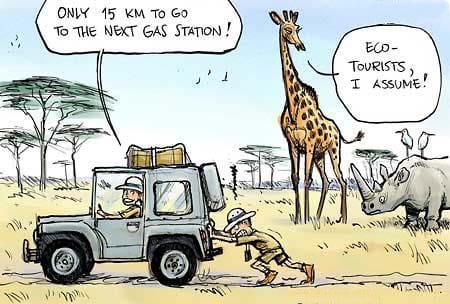
All of these tourism-related developments, however, may potentially put additional strain on the environment due to rising demand in tourist destinations where natural resources are already in short supply. Furthermore, as more tourists put greater strain on a destination's ecology, the continuous expansion and increased tourism traffic have posed a danger to many ecosystems of sensitive natural places. Since ecotourism entered the travel industry, travelers have had the chance to completely change their perception of travel since it helps both the environment and the tourist by being mindful of both its effect on the natural environment and the local economy.
Principles of ecotourism
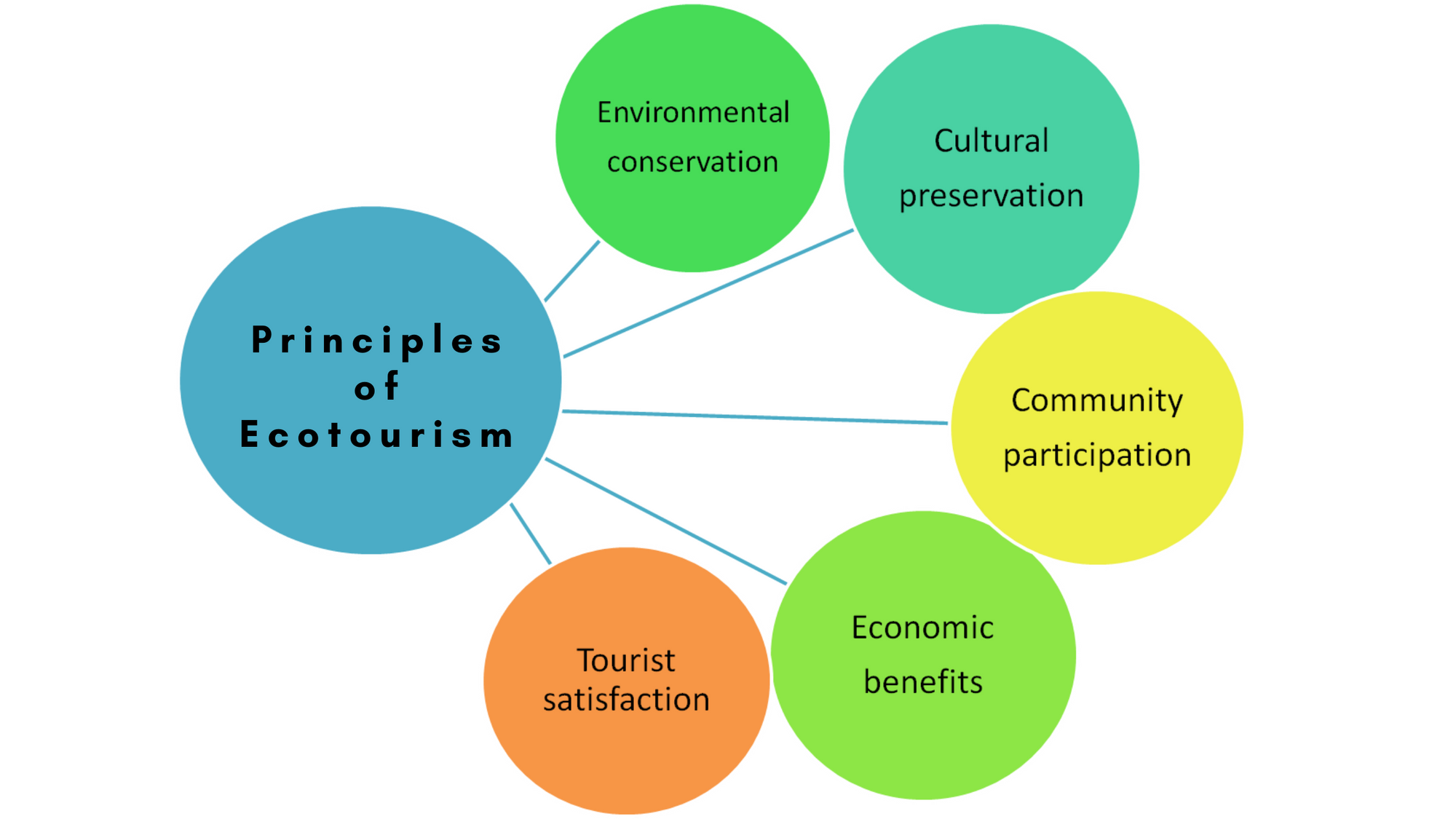
Both the sector and the local population benefit from ecotourism. It also aids in providing guests with an amazing experience while increasing awareness of the surrounding environment. Its five primary parts are as follows;
i. Environmental Conservation
To prevent detrimental effects that might undermine the integrity or character of the natural environment, ecotourism raises awareness of the richness of biodiversity, and its values to people, and the environment.
ii. Cultural preservation
In regions where traditional practices and cultural foundations are in danger of disappearing, ecotourism helps to preserve cultural traditions. By charging for such information, it provides an incentive for maintaining the custom and protecting cultural
iii. Community participation
Ecotourism operations include local and indigenous communities in planning, development, and operations, contributing to their well-being. And by bringing local residents into the business of ecotourism, they help maintain and enhance the sense of place that is critical for guaranteeing long-term conservation.
iv. Economic benefits
Ecotourism seeks to retain a high percentage of revenues in the host destination by stressing the use of locally owned facilities and services, thereby, providing livelihood opportunities to the local community and directly improving the economy of the local population from the tourists who visit the area.
v. Tourist satisfaction
While ensuring conservation of the environment by carrying out activities environmentally friendly, ecotourism emphasize on providing quality service to the tourist by focusing primarily on experiencing and learning about nature, its landscape, flora and fauna and their habitats, as well as the cultural artifacts from the locality.
Benefits of ecotourism
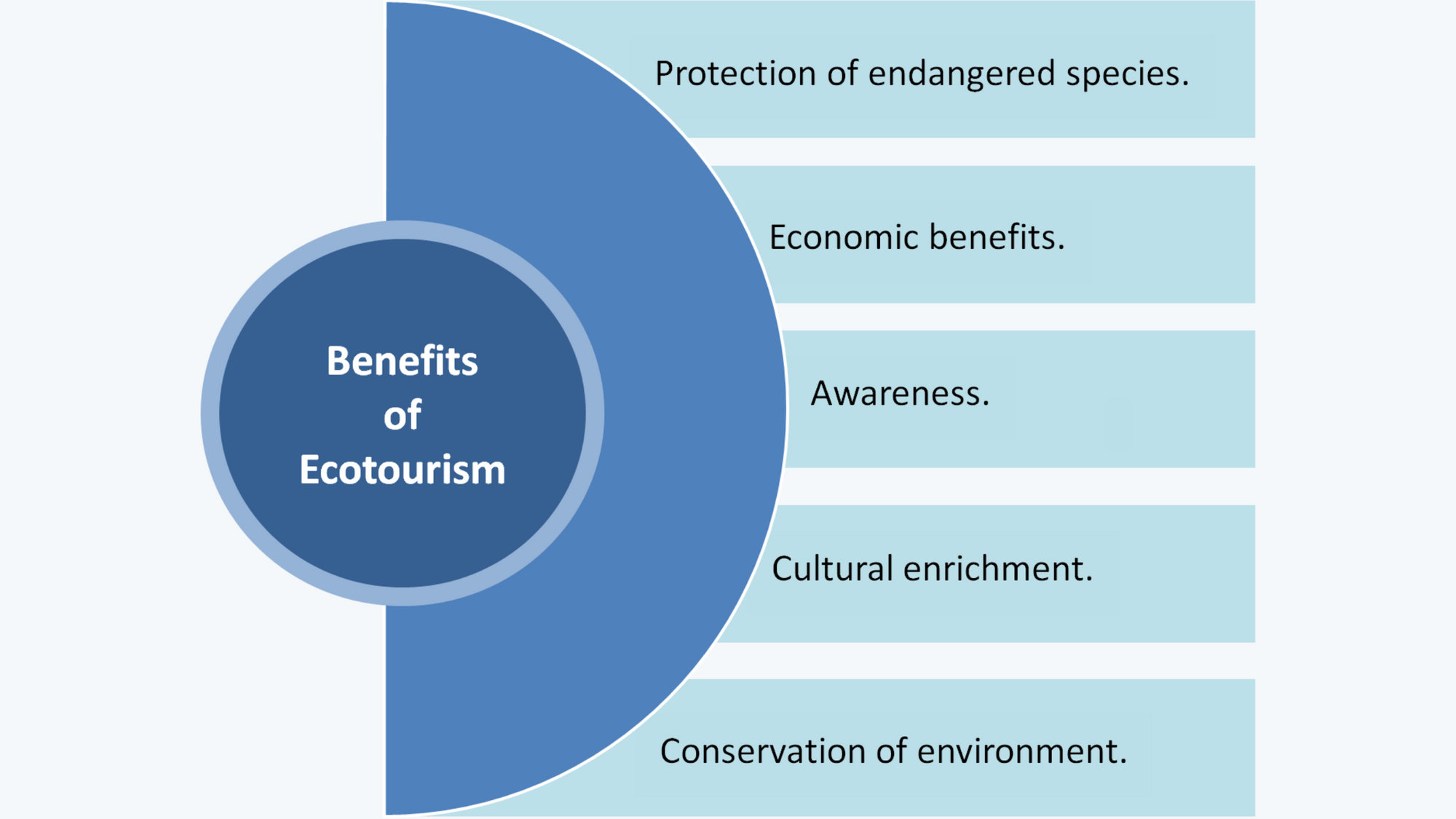
Ecotourism involves more than just the visit and appreciation of the beautiful sight of the destination. It is a responsible journey that encourages the preservation and conservation of the environment and promotes the lifestyle of the local people. It ensures that the natural areas of the destination are preserved and that the cultures of the region are respected. The following are some specific benefits of ecotourism
a. Protection of endangered species
Ecotourism aims at balancing the economic development of tourism and conservation as well as protecting the natural resources is central to it. With the introduction of ecotourism, entrepreneurs and investors are encouraged to build environment-friendly hotels and resorts so that the construction does not negatively affect the plants and animal populations. Also, travelers and visitors can stay in the hotels while their visit leaving the local wildlife undisturbed.
b. Economic benefits
Ecotourism operators are necessarily concerned about the welfare of the local community, including their economy. The locals have trained managing and marketing tourism services as well as in hospitality for employment in the sector. It not only helps create jobs but also nurtures good relationships. The ecotourism industry creates homestay hosts, translators, entertainers, tour guides, and many more opportunities to benefit from the tourists who visit the area.
c. Awareness
Ecotourism acts as a hands-on experience that gives visitors many opportunities to learn new information and skills. It also helps them learn the importance of caring for the environment. The interaction with the environment and the locals help the tourist aware of the plight that the locals face, as well as the environmental degradation in the area, encouraging them to raise awareness and help conserve the environment.
d. Cultural enrichment
Tourists are encouraged to interact with the locals building cultural awareness of the community and the place visited. They get an opportunity to exchange and learn the customs, traditions, local heritage and festivals, crafts, ceremonies, etc of the destination and able to share the culture with the outside world.
e. Conservation of environment
Ecotourism significantly contributes to environmental protection, restoration of biological diversity, and conservation of natural resources. It increases public appreciation of the environment and to spreads awareness of the environmental problems as it brings the tourist into closer contact with nature and the environment.
Mass tourism, on the other hand, refers to a form of tourism in which a large number of people travel to the same destination, often during the same season of the year. It is commonly associated with package holidays where transportation, accommodation, meals, and other services are included in a single affordable deal. Because of its low cost and convenience, mass tourism has become one of the most popular forms of travel across the world. It attracts millions of tourists every year and contributes significantly to the economy of many countries. Local businesses benefit from increased sales, governments earn revenue through tourism related activities, and many people are provided with employment opportunities in hotels, restaurants, transport services, and tourist attractions.
Despite these economic advantages, mass tourism has long been criticized for the serious environmental and social problems it creates. The rapid growth in tourist numbers often leads to large scale deforestation to make space for hotels, resorts, roads, and entertainment facilities. Natural habitats are destroyed, wildlife is disturbed, and local ecosystems suffer irreversible damage. Popular tourist destinations also experience overcrowding, which reduces the quality of life for local residents and weakens the cultural identity of communities. Streets, beaches, and public spaces become polluted with litter, while constant traffic and nightlife contribute to noise pollution.
Another major concern is the unequal consumption of local resources. Tourists often consume far more water, electricity, and food than local people, especially in developing regions where resources may already be limited. This creates pressure on communities and can even lead to shortages for residents. In addition, the heavy use of natural areas such as beaches, forests, and mountains results in environmental degradation, soil erosion, and destruction of biodiversity. Over time, destinations that were once valued for their natural beauty and cultural uniqueness may lose the very qualities that attracted visitors in the first place.
For these reasons, many experts and environmentalists argue that ecotourism is a more sustainable and responsible alternative to mass tourism. Ecotourism focuses on protecting the environment, respecting local cultures, and promoting meaningful experiences for travelers while ensuring that tourism benefits local communities in the long term.
In conclusion, although mass tourism provides economic benefits and affordable travel opportunities, its negative effects on the environment and local communities cannot be ignored. The destruction of natural landscapes, pollution, overcrowding, and overuse of resources show that uncontrolled tourism can cause long term damage to both people and nature. Ecotourism offers a better and more sustainable alternative by encouraging responsible travel, environmental conservation, and respect for local cultures. Therefore, it is important for governments, travelers, and communities to support and promote ecotourism so that future generations can continue to enjoy and appreciate the beauty of our planet without destroying it.
After all, if we do not protect the natural wonders of the world today, what will be left for future generations to experience tomorrow?